

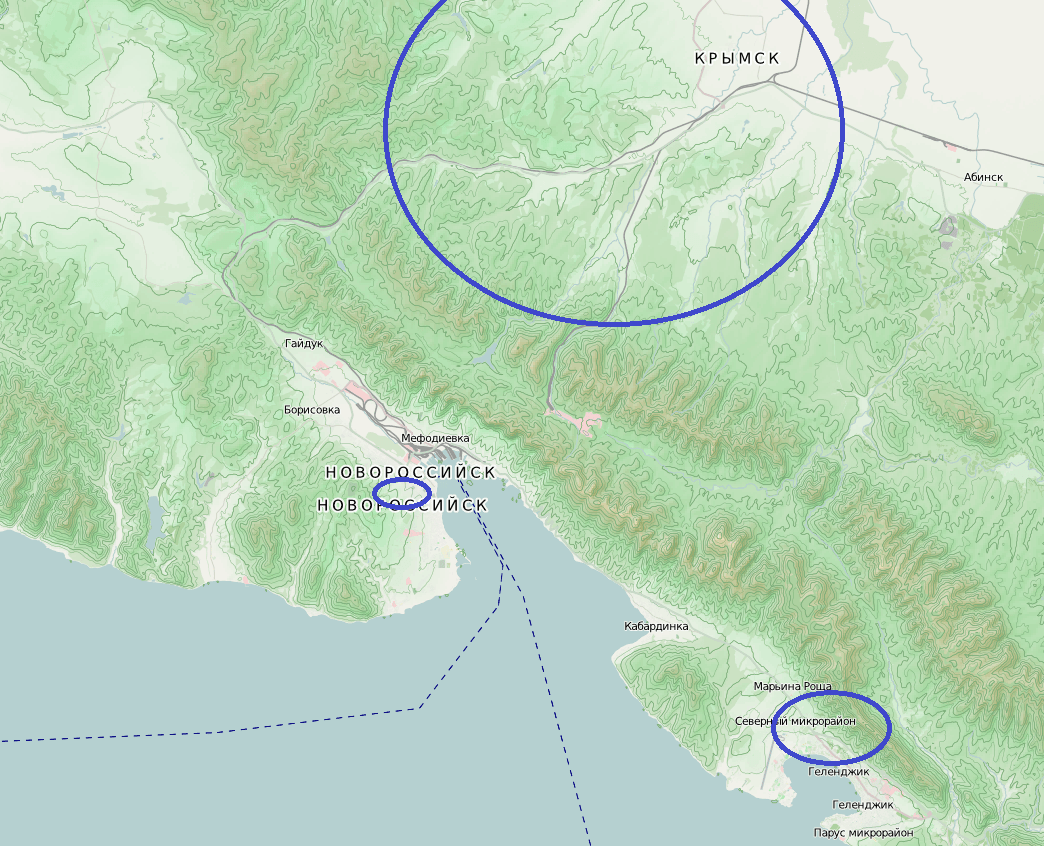
This speaks to a larger issue of the role climatic events play on the ability of all nations to govern effectively. Such stresses can be particularly acute during times of political crisis, such as in Russia, where citizens have been protesting and rightfully questioning the legitimacy of election results for months prior to the flood. And these stresses are bound to multiply. Climate change is likely to cause such extreme weather events to occur more often, with greater intensity, and with less predictability (some of which we are already seeing).
Furthermore, while these climatic events present a challenge to those governments directly affected, they will not occur in national isolation. As we saw with the Russian floods’ impact on grain, metals and crude oil exports, the impacts of local climatic events can quickly go global. As Dr. Troy Sternberg notes, we will continue to see a “globalization of hazards,” and this will upset global markets, and international security. In short, climate change is not just a problem for the developing world. Governments of all kinds, fragile, stable, democratic, or not, will have to make significant investments in preparing for and adapting to climate change. For their own sake, and for everyone else’s.